
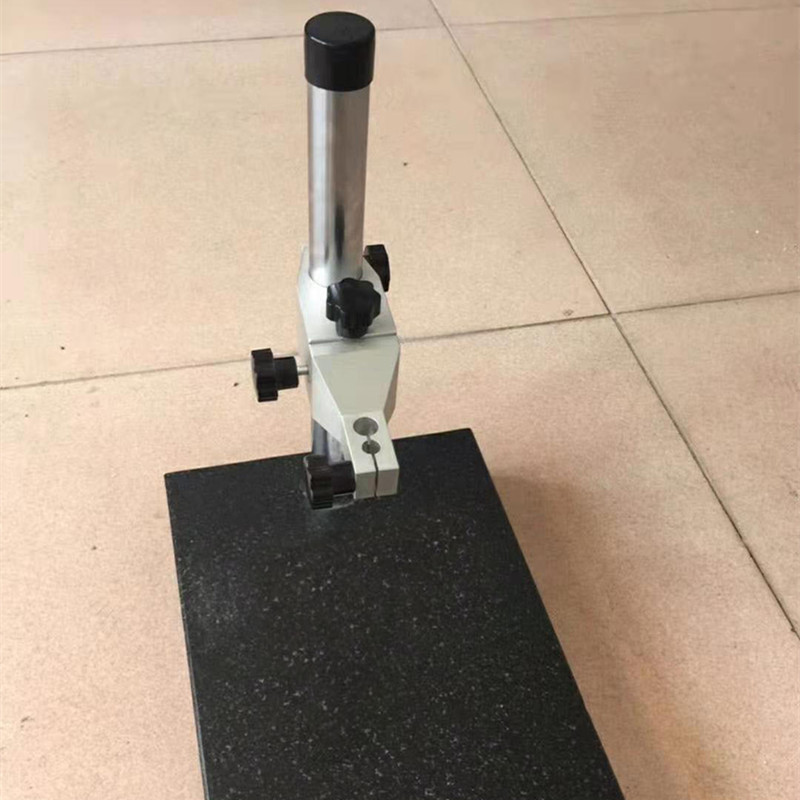
buy bathroom mirror
The Pricing Landscape of 150% to 300 Micrometer Products In recent years, the demand for materials and products ranging from 150 to 300 micrometers has witnessed a significant surge across various industries, including pharmaceuticals, manufacturing, and electronics. This growth has inevitably affected the pricing dynamics of these products. Understanding the factors that influence the price range of 150 to 300 micrometer products is crucial for businesses looking to optimize their purchasing strategies. The Pricing Landscape of 150% to 300 Micrometer Products Another critical factor influencing pricing is the production method. Advanced manufacturing techniques, such as spray drying, cryomilling, and electrospinning, are often employed to achieve specific micrometer sizes. These methods require substantial investment in equipment and technology, which is subsequently reflected in the final product price. Additionally, economies of scale can play a pivotal role. Manufacturers producing large volumes of 150 to 300 micrometer products can achieve lower per-unit costs, while smaller producers may struggle to compete on price. 150 to 300 micrometer price Supply chain dynamics also impact the pricing of these micrometer-sized products. Fluctuations in raw material costs, changes in transportation expenses, and shifts in global trade policies can all contribute to price variability. For instance, the COVID-19 pandemic disrupted supply chains across many sectors, leading to increased costs for sourcing materials and delivering products. As a result, buyers of 150 to 300 micrometer items found themselves facing higher prices during this period. Moreover, the competitive landscape in this market can create a pricing pressure. As more companies enter the market, they may adopt different pricing strategies, from undercutting competitors to offering bundled solutions. Consequently, businesses need to remain vigilant and informed about the latest market trends and competitors' pricing to make intelligent purchasing decisions. Additionally, customer requirements are evolving, with a growing emphasis on sustainability and eco-friendly practices. Products manufactured from renewable resources or those that demonstrate a lower environmental impact may command premium prices. Companies are increasingly willing to pay more for products that align with their sustainability objectives and corporate social responsibility commitments. In conclusion, the pricing of products within the 150 to 300 micrometer range is influenced by various factors, including material properties, production methods, supply chain dynamics, competition, and evolving customer values. Businesses seeking to navigate this intricate pricing landscape must remain agile and informed, leveraging market intelligence to make strategic purchasing decisions. As demand continues to rise, understanding these factors will be essential for companies aiming to secure the best value for their investments in micrometer-sized products.
about
buy bathroom mirror
Understanding Fabrication Tables Key Concepts and Applications In the world of manufacturing and engineering, fabrication tables play a crucial role in various processes. These tables serve as a foundational element in the fabrication of components across numerous industries, from automotive to aerospace, and even in furniture production. This article aims to delve into the essential features of fabrication tables, their applications, and the benefits they provide in modern manufacturing and construction. What is a Fabrication Table? A fabrication table is a structured surface designed specifically for assembling, welding, and machining parts. Typically made from durable materials such as steel or aluminum, these tables provide a flat and stable work area. They often come equipped with various features that enhance their functionality—these may include clamping systems, adjustable heights, and integrated measurement grids. Key Features of Fabrication Tables 1. Stability and Durability A primary characteristic of fabrication tables is their robust construction. They must withstand significant weight and stress, particularly in heavy industries. Steel fabrication tables, for instance, offer excellent strength and longevity, making them suitable for heavy-duty tasks. 2. Modularity Many modern fabrication tables are designed to be modular, allowing for customization according to specific project requirements. Users can add or remove components such as clamps, fixtures, and even supplemental work surfaces to accommodate various tasks. 3. Surface Treatment The work surface of a fabrication table may be treated to prevent corrosion and damage from welding or machining processes. Common treatments include powder coating or galvanization, which ensure the table maintains its integrity over time. 4. Precision Features Some fabrication tables come with built-in measuring tools and alignment grids that aid in achieving high levels of precision. This feature is particularly vital in industries where accurate dimensions are critical. Applications of Fabrication Tables Fabrication tables find applications in several fields, including but not limited to fabrication table - Metalworking In metal fabrication, tables are used for assembling and welding pieces together. Their sturdy design allows workers to operate machinery like plasma cutters and welders safely. - Woodworking In woodworking shops, fabrication tables assist in the assembly and finishing of wooden products. They can be fitted with additional features like router mounts or saw guides. - Composite Manufacturing In industries that work with composite materials, specialized fabrication tables help mold and assemble parts while ensuring precise alignment and configuration. - Aerospace and Automotive In these sectors, fabrication tables are vital for the assembly of complex components. The precision and stability they provide are crucial for parts that must meet strict regulatory standards. Benefits of Using Fabrication Tables 1. Increased Efficiency By providing a dedicated and organized workspace, fabrication tables allow workers to streamline their processes and complete tasks more quickly. The ability to customize tables for specific jobs further enhances efficiency. 2. Enhanced Safety The robust design and stability of fabrication tables contribute to a safer working environment. They reduce the risk of accidents that can occur with unstable surfaces, particularly during welding or machining operations. 3. Improved Quality The precision features integrated into many fabrication tables help ensure that parts are manufactured to exact specifications. This attention to detail minimizes errors and enhances the overall quality of finished products. 4. Cost-Effectiveness Investing in a high-quality fabrication table can lead to long-term savings by decreasing material waste and reducing time spent on assembly. Many manufacturers find that the return on investment is substantial when using fabrication tables effectively. Conclusion Fabrication tables are an indispensable asset in modern manufacturing and construction industries. Their stability, modularity, and precision features make them essential tools for achieving efficiency and high-quality outcomes in various applications. As technology continues to evolve, we can expect further advancements in the design and functionality of fabrication tables, making them even more integral to future manufacturing processes. Whether in metalworking, woodworking, or high-tech industries, understanding the role of fabrication tables is key to optimizing production and ensuring excellence in craftsmanship.
-

High quality industrial productsagement

High quality industrial products
View Details -

Meet the diverse needs of customers

Meet the diverse needs of customers
View Details -

Strict quality control

Strict quality control
View Details -

Top raw materials

Top raw materials
View Details -

Trusted supplier

Trusted supplier
View Details
Our application
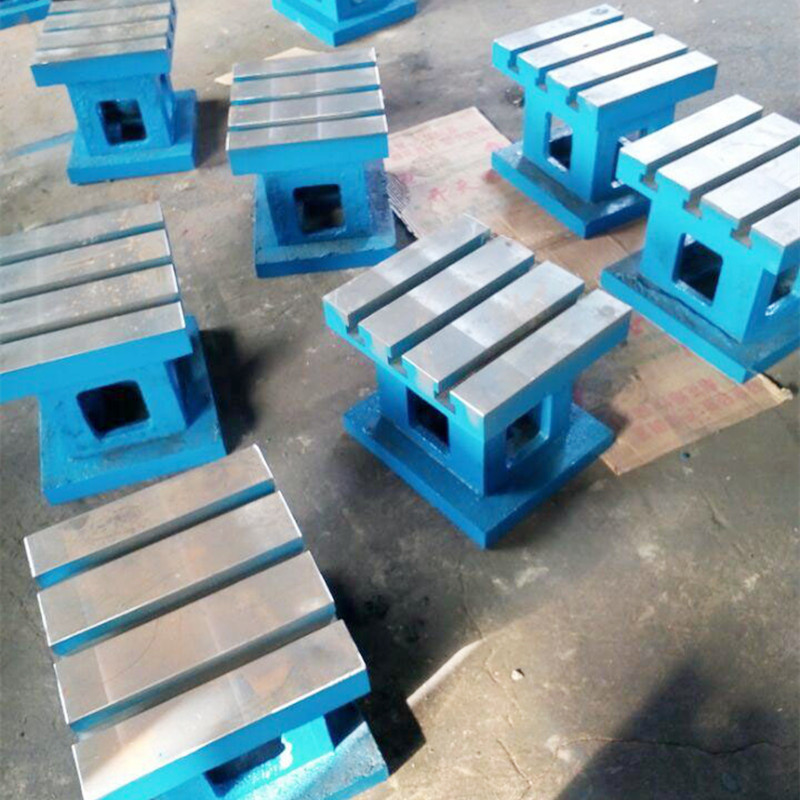
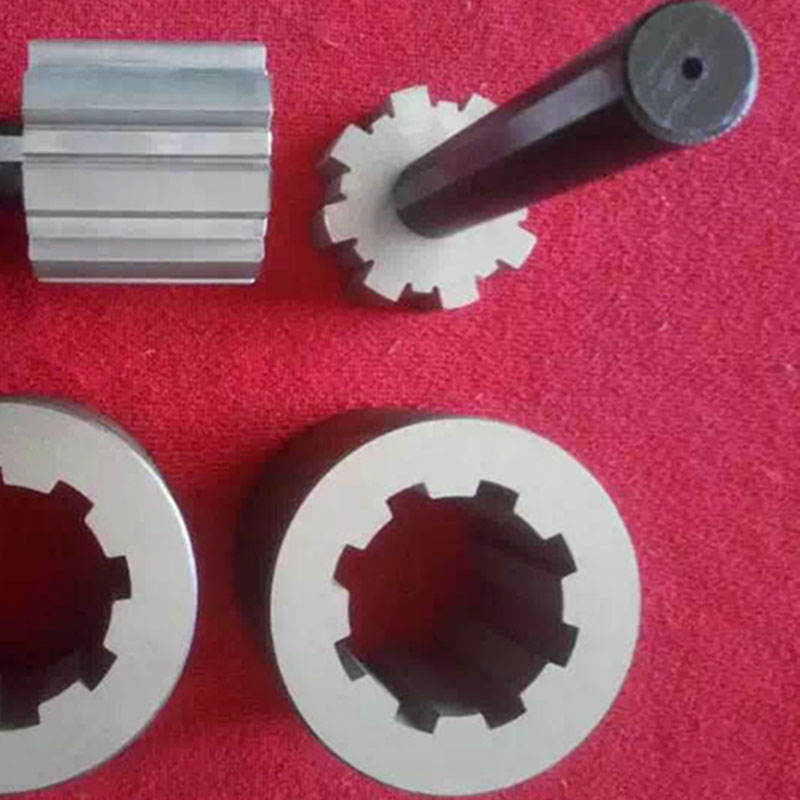

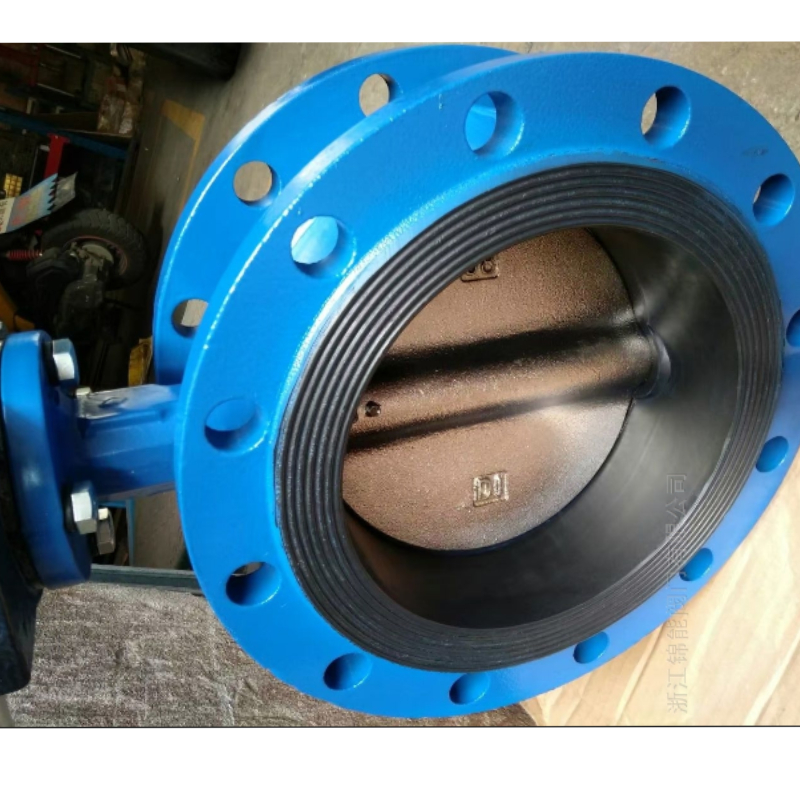
news and information
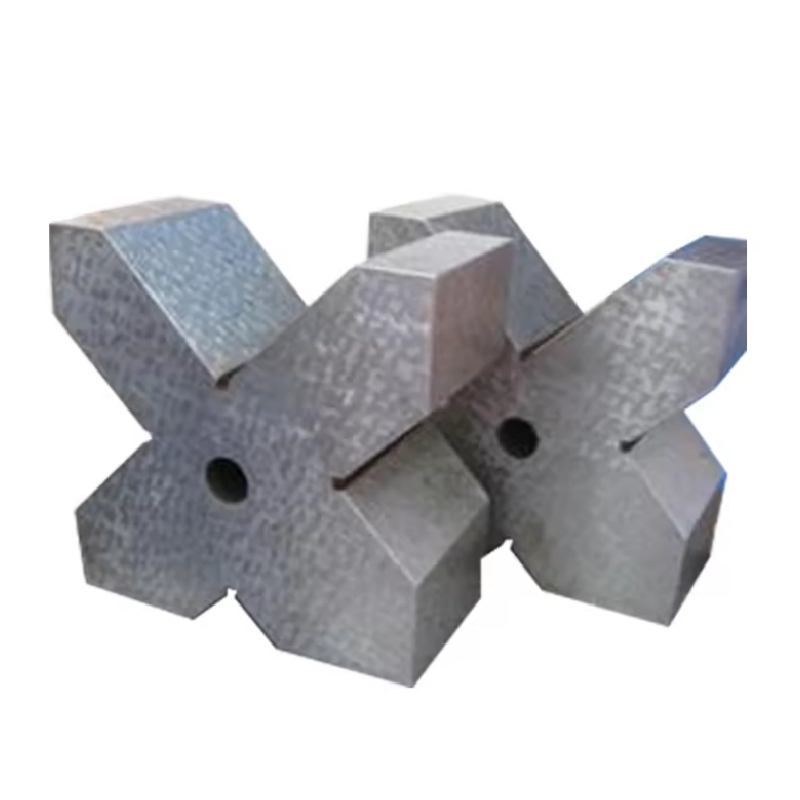
Versatile Ground Anchor Solutions for Securely Supporting Adjustable Structures and Outdoor Installa
Understanding Adjustable Post Ground Anchors A Comprehensive Guide In the field of construction and
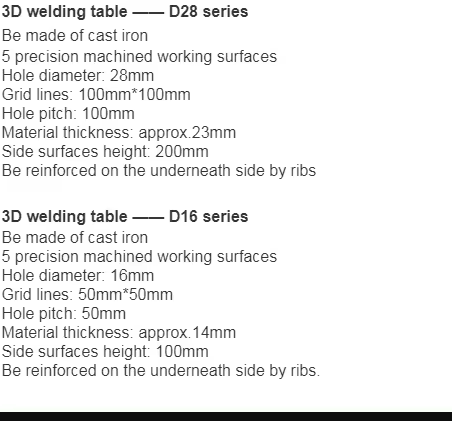
water valve 1 2
Understanding Water Valve 1-2 Functionality and Applications Water valves are essential components i
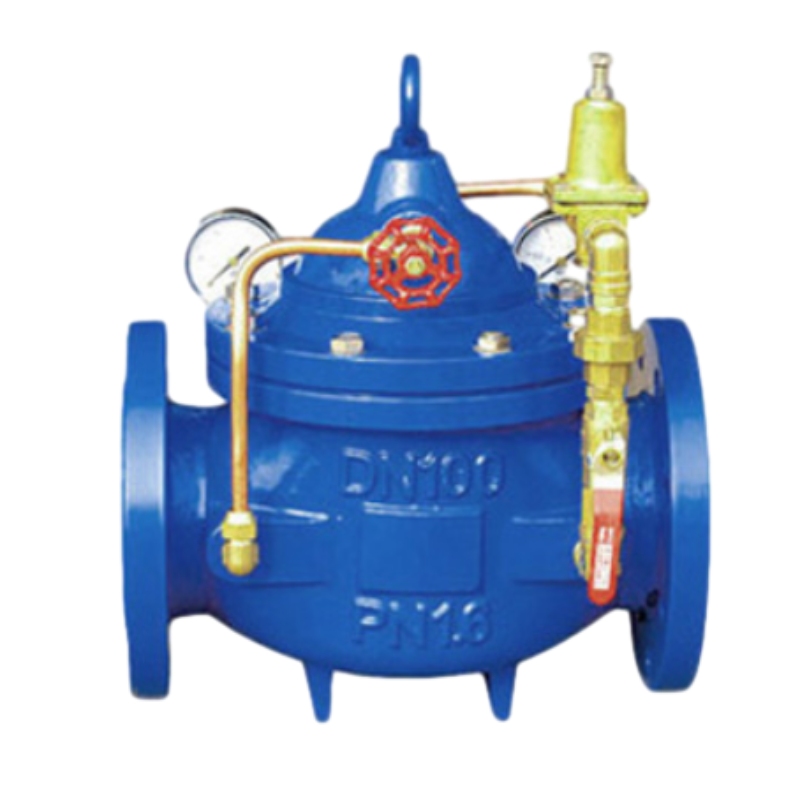
Water Pressure Regulation Valve for Efficient Flow Management and System Stability
Understanding Water Pressure Control Valves Water pressure control valves are essential components i
 English